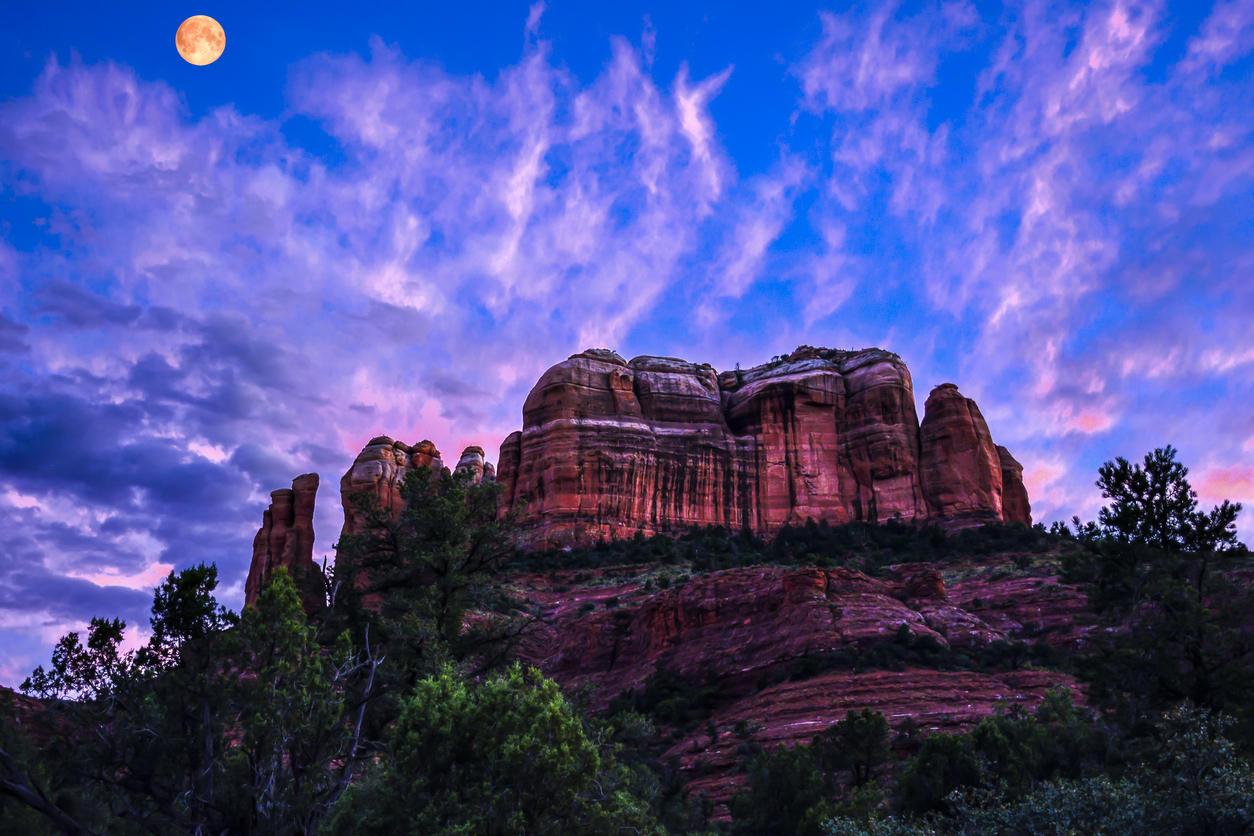

Few destinations in the American Southwest inspire as much curiosity and spiritual intrigue as Sedona. Known for its towering red rock formations, desert beauty, and deeply calming atmosphere, Sedona has also become world-famous for its energy vortex sites. Travelers from around the world visit Sedona seeking healing, inspiration, clarity, creativity, or simply a deeper connection to nature.
But what exactly is a Sedona vortex? What does it feel like? And how can you experience one for yourself?
This Sedona vortex guide covers everything you need to know before your visit — including what vortexes are, the most popular vortex locations, what to expect during your experience, and practical tips for making the most of your time in Sedona.
What Is a Sedona Vortex?
A vortex is believed to be a location where the Earth’s electromagnetic energy is especially strong and concentrated. Some say they are the natural result of quantum forces in the Earth’s crust. Many visitors describe vortex sites as places that promote healing, meditation, emotional clarity, creativity, and spiritual connection.
While vortex energy is not scientifically proven, countless travelers report experiencing sensations such as:
- A feeling of calm or emotional release
- Heightened awareness or clarity
- Tingling sensations or warmth
- Increased creativity or inspiration
- Deep relaxation
- A stronger sense of connection with nature
For others, the experience is simply about being immersed in Sedona’s dramatic landscape and peaceful desert atmosphere.
Whether you approach vortexes from a spiritual perspective or simply as an opportunity for reflection and exploration, Sedona offers a uniquely memorable experience.
Why Sedona Became Famous for Vortex Energy
Sedona’s red rock landscape has long been considered sacred by Indigenous cultures connected to the region. Over time, the area gained international attention for its spiritual tourism, wellness retreats, meditation experiences, yoga offerings, and energy healing practices.
Today, Sedona is considered one of the top spiritual travel destinations in the United States.
Visitors often combine vortex exploration with:
- Hiking
- Meditation
- Yoga
- Photography
- Wellness retreats
- Art experiences
- Sound healing
- Crystal shopping
- Desert adventures
The combination of natural beauty and personal reflection is what makes Sedona such a transformative destination for many travelers.
The Four Most Popular Sedona Vortex Sites
While there are many claimed vortex locations throughout Sedona, four sites are most commonly recognized and visited.
1. Airport Mesa Vortex
Airport Mesa is one of the most accessible and popular vortex sites in Sedona. It offers sweeping panoramic views of the surrounding red rocks and is especially popular at sunrise and sunset.
What to Expect
- Strong open desert views
- A short but moderately steep hike
- Popular meditation spot
- Excellent sunset photography
Many visitors report feeling energized or mentally clear at Airport Mesa.
Best For
- First-time vortex visitors
- Sunset viewing
- Photography
- Quick hikes
2. Bell Rock Vortex
Bell Rock is one of Sedona’s most iconic landmarks and is frequently associated with balanced masculine and feminine energy.
The hiking area is beginner-friendly, making it one of the easiest vortex experiences for visitors of all fitness levels.
What to Expect
- Wide open hiking trails
- Gradual climbing areas
- Beautiful views throughout the trail system
- Busy but peaceful atmosphere
Bell Rock is often described as an energizing vortex that encourages confidence and motivation.
Best For
- Families
- Beginner hikers
- Meditation walks
- Scenic photography
3. Cathedral Rock Vortex
Cathedral Rock is arguably the most photographed location in Sedona and one of the area’s strongest spiritual destinations.
The trail is steeper and more physically demanding than Bell Rock, but the views are extraordinary.
What to Expect
- Moderate-to-challenging hike
- Dramatic red rock scenery
- Quiet meditation spots
- Strong spiritual atmosphere
Many visitors describe Cathedral Rock as calming, grounding, and emotionally healing.
Best For
- Experienced hikers
- Sunrise or sunset hikes
- Meditation
- Couples and solo travelers
4. Boynton Canyon Vortex
Boynton Canyon offers a more secluded and peaceful vortex experience surrounded by canyon walls and lush desert vegetation.
This vortex is often associated with balance and harmony.
What to Expect
- Quieter hiking experience
- Forest and canyon scenery
- Spiritual retreat atmosphere
- Moderate hiking trails
Boynton Canyon is especially popular for mindfulness practices and deeper reflection.
Best For
- Quiet experiences
- Meditation
- Nature lovers
- Spiritual retreats
Is Visiting a Vortex Necessary to Feel the Energy?
No, you don’t, and every person feels the energy differently. One way to tell if you are in a Sedona vortex location is to notice the growth pattern of the Juniper trees. If the tree trunks are twisted and spiraling, chances are you are in an area of powerful vortex energy. These occurrences are throughout the Sedona landscape and trails.
What Does a Sedona Vortex Feel Like?
Every visitor experiences Sedona differently.
Some people feel powerful emotional or energetic shifts, while others simply feel relaxed and grounded in nature. There is no “correct” way to experience a vortex.
Common experiences include:
| Experience | Description |
|---|---|
| Emotional calm | A sense of peace or reduced stress |
| Mental clarity | Improved focus or reflection |
| Physical sensations | Tingling, warmth, or lightheadedness |
| Inspiration | Increased creativity or motivation |
| Deep connection to nature | Feeling more present and aware |
It is also completely normal to feel nothing unusual at all. Many travelers still find the hikes, scenery, and atmosphere profoundly meaningful without a spiritual experience.
Best Time to Visit Sedona Vortex Sites
Sedona is beautiful year-round, but certain seasons offer more comfortable hiking conditions.
Spring (March–May)
- Mild temperatures
- Desert wildflowers
- Ideal hiking weather
Fall (September–November)
- Cooler temperatures
- Crisp mornings
- Excellent visibility and photography
Summer
- Hot afternoons
- Best for sunrise hikes
- Monsoon storms possible
Winter
- Fewer crowds
- Occasional snow on red rocks
- Peaceful atmosphere
Sunrise and sunset are generally considered the best times to visit vortex sites due to softer lighting, cooler temperatures, and quieter trails.
Tips for Experiencing a Sedona Vortex
1. Slow Down
Many visitors rush from site to site. The best vortex experiences usually happen when you spend time quietly observing and reflecting.
Try:
- Sitting silently for 10–15 minutes
- Deep breathing
- Journaling
- Meditation
- Walking slowly and mindfully
2. Stay Hydrated
Sedona’s desert climate can be dehydrating even during cooler months. Always carry water, sunscreen, and proper footwear.
3. Be Open-Minded
You do not need to be spiritual to enjoy Sedona vortexes. Some visitors approach them as energy centers, while others simply appreciate the emotional impact of nature and solitude.
Both perspectives are valid.
4. Respect the Environment
Sedona’s landscapes are environmentally sensitive and spiritually meaningful to many people.
Help preserve the area by:
- Staying on marked trails
- Packing out trash
- Respecting quiet spaces
- Avoiding damage to rock formations
- Look for twisted/spiraling Juniper trees
Guided Vortex Tours vs. Exploring on Your Own
Visitors can explore Sedona vortexes independently or through guided experiences.
Self-Guided Exploration
Best for:
- Independent travelers
- Hikers
- Flexible schedules
- Photography-focused trips
Guided Vortex Tours
Best for:
- First-time visitors
- Spiritual exploration
- Learning local history
- Personalized experiences
Guides often combine hiking, meditation, local geology, Indigenous history, and spiritual interpretation into one experience.
Combining Art, Wellness, and Vortex Exploration in Sedona
One of the unique aspects of Sedona is how easily vortex experiences blend with the town’s thriving art and wellness culture.
Many visitors pair vortex hikes with:
- Art galleries
- Pottery experiences
- Sound healing
- Yoga classes
- Spa treatments
- Crystal shops
- Meditation workshops
Creative activities can help visitors process and reflect on their Sedona experience in meaningful ways.
For travelers seeking a hands-on creative experience inspired by Sedona’s energy and landscape, visiting a local gallery or participating in an art workshop can be an excellent addition to a vortex-focused itinerary.
How to Bring Vortex Symbolism and Vortex Energy Home With You
Frequently Asked Questions About Sedona Vortexes
Are Sedona vortexes real?
That depends on perspective. There is no scientific consensus confirming vortex energy, but many visitors report meaningful emotional, spiritual, or personal experiences at these locations.
Do I need hiking experience?
Not necessarily. Some vortex sites, like Bell Rock, are beginner-friendly, while others, like Cathedral Rock, require more strenuous hiking.
Is Sedona spiritual?
Sedona is widely known for wellness, mindfulness, meditation, and spiritual tourism, though many visitors come simply for outdoor recreation and scenery.
Can children visit vortex sites?
Yes. Many trails are family-friendly, especially Bell Rock and Airport Mesa.
Final Thoughts on Experiencing Sedona Vortexes
Whether you are searching for spiritual connection, creative inspiration, emotional healing, or simply breathtaking scenery, Sedona offers an experience unlike anywhere else in the Southwest.
The true magic of Sedona may not come from proving whether vortex energy exists, but from the opportunity to slow down, reconnect with nature, and become more present.
For some visitors, Sedona becomes a transformational journey. For others, it is simply one of the most beautiful places they have ever explored.
Either way, the experience tends to stay with you long after you leave the red rocks behind.